How To Discuss Solutions?

Beren Van Daele, The Core of Things

“If your only tool is a hammer then every problem looks like a nail.”
– Abraham Maslow

The Problem Solving Business

In IT, our job is to solve problems. Whether you look at the project as a whole, a requirement, a user story or potential risks to be tackled, there are problems all around us. Nobody has exactly done this thing before.

We’ve taken the first important steps previously: We’ve identified our problems  stating them in event, cause, result plus we have defined what is important to us.

“A problem well stated is a problem half solved.”

– John Dewey

Moving onwards, two important facts need to be understood when trying to plan or strategise for solutions to our problems:

Everything is heuristic & Sometimes, the best solution is to fail gracefully

Anything we do to solve problems is bound to be heuristic. A heuristic has the potential to both succeed and fail. The outcome is mainly influenced by experience and expertise of the person or team using it, their ability to estimate their current situation and the future situation(s) they can reach by applying the heuristic.

Being great at chess means you’ve absorbed a number of heuristics and know how to apply them succesfully.

An example: A squad of soldiers find themselves behind enemy lines. Several heuristics they could employ are:

  • Find higher ground to get bearing of their position and surroundings;
  • Try to establish connection with homebase via technology;
  • Use stealth or decoys to find their way back;
  • Fight their way back as quickly as possible;
  • Do the exact oposite and push through to a safe position and reevaluate.

These aren’t all mutually exclusive. Some logically follow up one after another. Sometimes you’ll have several successful outcomes, only to fail in the end, like having the upper-hand in a chessmatch, only to lose in the end.

Plans & Strategies

The difference between a plan and a strategy is contingency. A plan is like a booklet to put together an IKEA table. Don’t get creative with that stuff, just follow the plan or it will likely not work.
You can have a meeting with several people and come out having a step-by-step plan to release your product to production. If any of the steps fail, you’ll likely have another meeting to patch it up.
In Chess, I often open with a 4-step-to-checkmate plan. These are 4 steps I need to carefully take in the beginning of the game, without miss and without having my opponent shortcutting it. This is a plan which is part of my strategy. When it fails, I need to start thinking in terms of contingency and build a new plan.

A strategy can almost be seen as a set of plans, each building upon one another or providing alternatives when something goes bad. Build strategies based on your experiences, expertise and skills by discussing them among each other, learning from failures, extrapolating what worked and sharpening what didn’t.

Mitigating Risks by Implementing Solutions

Following How to Identify Risks? you’ve defined what’s important and what could impact your product negatively. Now, you’ll want to start making sure those bad things, don’t happen. We’ve moved away from an over focus on functionality and are now broadening the Team’s idea of which activities influence Quality as a whole.
You can not solve these problems with a tester doing test cases. If this was a big part of your project’s ‘strategy’ you’ll come a long way by the end of this phase.
Here’s the step-by-step:

  1. Gather people with specialities in: analysing, building, testing and operating
  2. For each Risk, discuss what possible solutions are available
  3. Find a balance between roles and activities

Gather people With Different Specialities

Oh yes, you’ll be tired of reading about this step by now, so I’ll keep it short.
If your RiskStorming Phase 3 consists of only carpenters, all your risks will look like a nail for which a hammer will be the solution. Testers will test, developers will craft code, analysts will analyse,… It would be sad to have come all this way in RiskStorming, only to discuss one facet of influencing quality.

However, doing RiskStorming within a group of like-skilled people could be benefitial as a learning opportunity, such as within a community of practice.

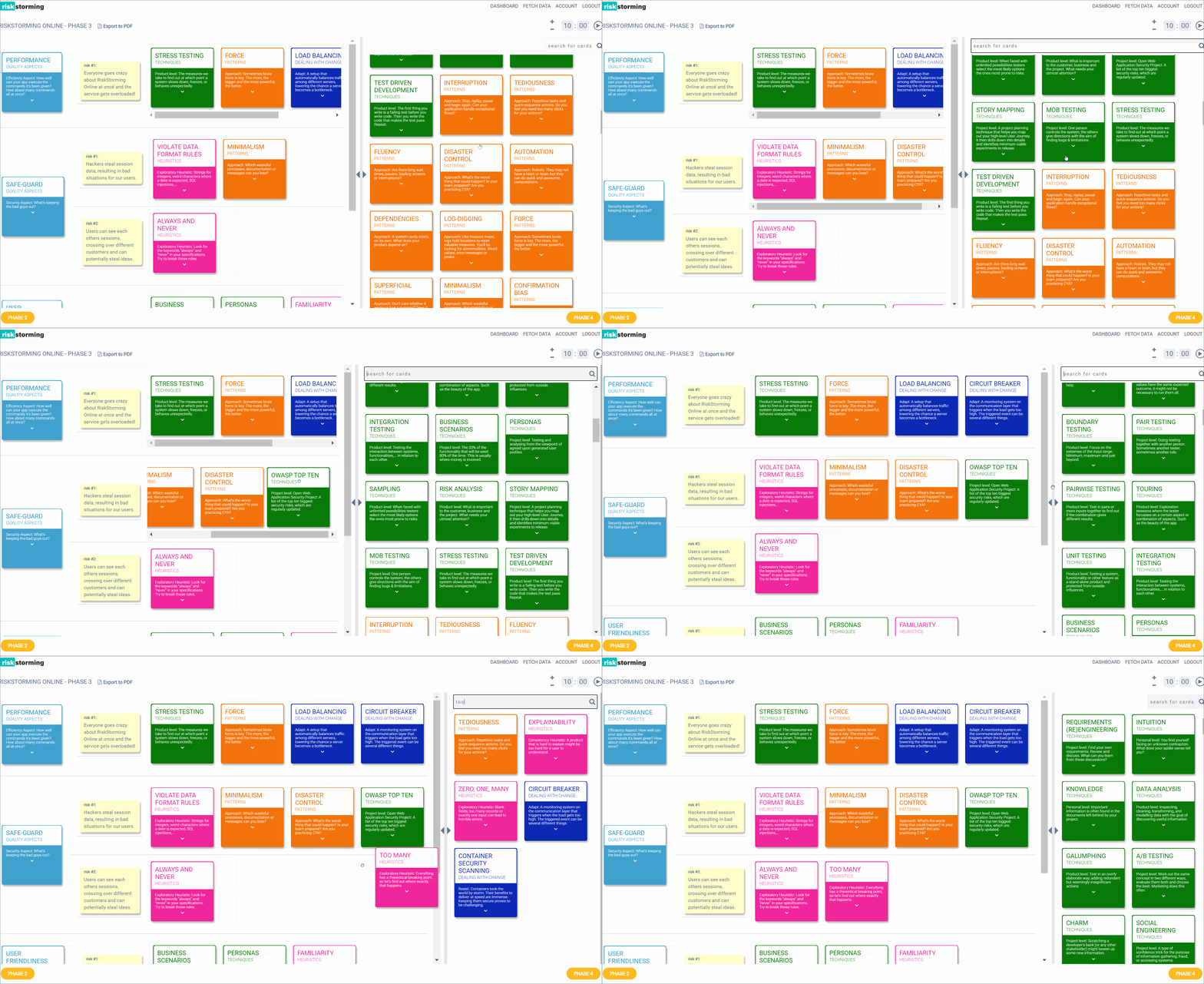
RiskStorming Phase 3

For Each Risk, match possible solutions

In RiskStormingOnline.com we offer a grand 120 possible activities that can help you tackle your risks. They include Techniques, Heuristics, Patterns, Observability and Dealing with Change cards that will help you connect possibilities to problems. In the future, we’ll structure the cards differently to match the skillsets: analysing, building, testing and operating. For now, you can flip, scroll & search through many ideas and prompts that will help you tackle risks.

The idea is to find common ground between Team members. ‘oh, you’d like to do stress testing? I can see an issue that we don’t have a controlled and isolated environment for that. Maybe I can help set that up!’ & ‘That’s a great idea! I’ll activate extra logging so we can learn more.’,…

The focus is on sharing ideas, extending helping hands and finding comon ground. If people have been saying ‘Quality is a Team Responsibility’, then this is the moment it actually takes shape.
Only now have your teammembers understood sufficiently what quality actually means and how they can work together, from within their roles, to achieve it.

Obama’s famous Mic-Drop

Find Balance

If your solutions are mainly showing a similar colour, that means your solutions are too one-sided. Try to balance out the colours and discuss how one failing activity might be supported by a different activity.

E.g. If we don’t catch issues during the story mapping, we might find them during our End-to-end UI automation or when our testers go through the business scenario’s. If all that fails, we might catch the inconsistencies during beta-testing during our Dark Release or during Real User Monitoring.

Find balance. Harmony.
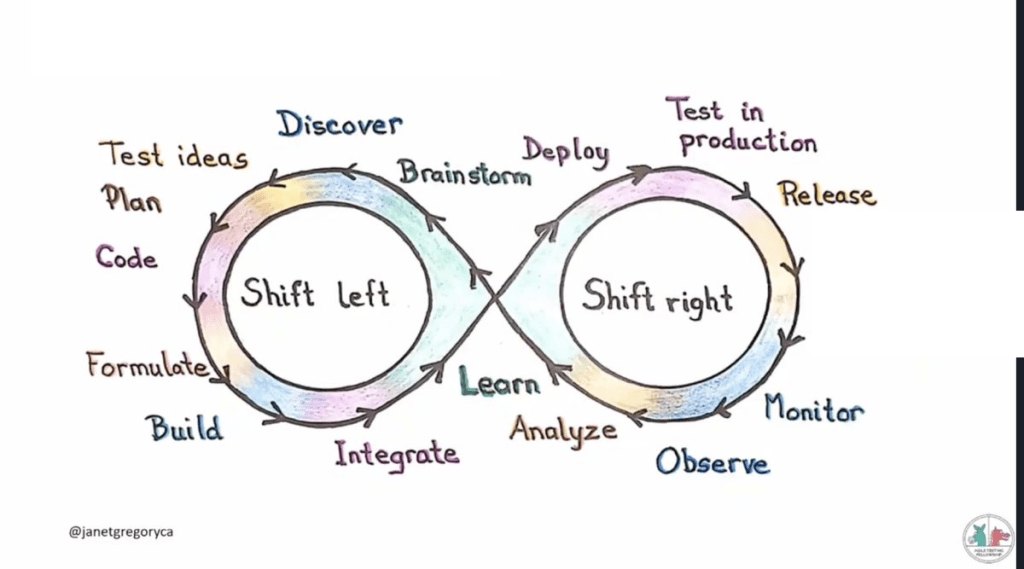
Model by Dan Ashby, adapted and coloured by Janet Gregory

What’s next?

You’ve gone through the three most important stages of RiskStorming:

  1. What’s important to us?
  2. What Risks will impact that negatively?
  3. How can we deal with those Risks?

Lots of ideas and discussions float around, supported by cards, hopefully some epiphanies as well.
You’re probably lacking something concrete at this point. We’ll explore this in a next post.

How to Identify Risks?

Beren Van Daele, The Core of Things

Risks are things that keep people up at night. Not just you, anyone. Taking a risks can make you feel alive, scared, overwhelmed, excited,…

Risks are based on Feelings

People often try to quantify risks. Any project with higher compliance requirements will tell you they estimate Likelihood and Impact, that they then put those in matrix and show which ones are minor, major or critical risks. Apart from helping you pass an audit, these practices also look nice and make you feel safer…
Feel safer’. No matter which process you use to quantify risks, it won’t ever remove that it’s all based on feelings. It’s a crucial piece of insight you need when discussing Risks: whatever you think, predict, foresee, expect,… is all based on feelings.

You’re a rope walker, who needs the right amount of skills, confidence and situational awareness to survive. Fear will paralyse you, overconfidence will unbalance you.

An actual rope walker

Trade-offs and Feelings

Remember this very same header in the “defining quality” section? It’s simple: Risks are the reverse of the quality medal. In a world where you’d have infinite resources you would still need do the same balancing act. They are two different ways to think and talk about the same thing. Ying & Yang, but dealing with them is exactly the same.
From a Quality point of view, in order to increase the fluency and flow for the User Friendliness aspect you gather data to find out where people leave, are blocked or face issues. In the same sense, added monitoring and user tracking, which might help you identify and deal with risks quicker, might infringe on people’s perception of privacy.

Ugh. Feelings? Balancing acts? Can’t measure or quantify any of this? Bah!

– Many people in IT

If you can accept this though, it will help you understand that the things we do in our field to deal with these problems are entirely beside the question. Without going too far into detail, there’s this model called Cynefin. It teaches us that different types of problems need different types of solutions.

If you believe Likelihood x Impact = Importance and your next step is checking several boxes to show the risk is dealt with, you believe the problem space is either Obvious or Complicated.
If you believe that risks are based on feelings which are different on who you ask, are bound to change and might need several possible and probable solutions you may or may not keep or discard, you believe your problem space is Complex or Chaotic

The important distinction is that you understand that nobody has done exactly the same thing as you are right now. There are no best practices, no guidelines, no experts who have done the exact same thing again. Almost by default, your first realisation should be that you are lacking information.

Don’t get into Cynefin right now, read this post first, ok?

Defining Risks

This blogpost is part of a series that uses RiskStormingOnline.com to structure a discussion towards a better understanding of quality, risks and what to do with them.

Following Phase 1: Defining Quality you should have a selection of important Quality Aspects, but more importantly: a better and shared understanding of what’s important for your product and project. This is an excellent starting point to explore and identify potential risks.

  1. Gather people with specialities in: analysing, building, testing and operating
  2. For each Quality Aspect, One by one:
    • Think about 2 to 3 ways it might be impacted negatively
    • Write down your ideas
    • Include for every risk: Event, Cause, Result
  3. Have an open discussion about Risks

Gather people with different specialities

Traditionally, someone doing Risk Analysis would create a spreadsheet, make a list of all the risks they could think of and then consult the following people:

  • A Business Analyst to add a number to each risk for Impact. Something like: 1 if there’s almost no loss of money if the risk would happen and 5 if we’d lose a lot of money.
  • A lead Developer or Architect to do the same number-game but for Likelihood. 1 if it’s very unlikely the risk would happen, 5 if it could happen any day.

I’m not entirely against this process and especially like the interaction with other roles. However, some things we want to change in RiskStorming:

  • Include more specialities into the discussion such as testing & operations
  • Invite more people to quantify Likelihood & Impact values
  • Use the values, not as goals, but as discussion points

Writing down Risks

“If you can’t think of three things that might go wrong with your plans, then there’s something wrong with your thinking.”

Gerald Weinberg – Secrets of Consulting

I’m less strict than the famous Mr. Weinberg and will only ask you for at least two examples of how your plans could go wrong. Yet, seriously take your time to think in different angles about your product and project. Testers are particularly trained in this skill, give them some input and see which questions they come up with.

Once you identified an idea of how something could go wrong it’s not sufficient to just note down ‘Hackers get in and steal our data!’. Though this is a good starting point to discuss further, try to specify three aspects for each risk:

  1. Cause: There are inconsistencies between layers of the application, leaving an exploitable gap
  2. Event: Someone with malicious intent gains access to the inner workings of our system
  3. Result: Data is stolen, removed or worse. We may face lawsuits, lose users and loss of business.

Exploring these three aspects to a risk gives you and the team a better sense of the gravity, possibility and consequences of the problem. You’ll be better informed as well as better prepared to take countermeasures.

Have an open discussion about Risks

Working together, you have now identified several risks that are actually tied to quality aspects that are important. They are well understood and discussed by the team. Nobody should later blush and say ‘oh, I didn’t know that was important’.

For each risk, people who can make an educated guess can specify a likelihood & impact quantifier, others can leave it to ‘?’. These values can help you prioritise, group or use them as a basis for your compliance process.

What’s next?

If you don’t do anything else with RiskStorming at all, having done Phase 1 and this phase with your team, understanding the lessons and taking heed to what you discussed, you’ve taken a huge step forward to building a successful product.

All Skyrim Enemies Lord of the Rings music 'Bridge of Khazad Dum' - YouTube
Some risks are scarier than others. Don’t have a wizard? Do RiskStorming Phase 3!

Now that you’ve identified the most probable and dangerous threats on your journey, you’re better prepared and equiped to deal with them. Phase 3 offers your team a whole lot of prompts and ideas to deal with them. Figure out what works for you, discuss and plan.


Read all posts made in this category here: RiskStormingOnline Knowledge Center

How to Define Quality?

Beren Van Daele, The Core of Things

‘We need to Improve our Quality!’, ‘We have bad Quality!’, ‘We sell a tool that measures Quality!’, ‘I’ll add some tests to improve Quality!’

These are just a fraction of sentences I’ve picked up over the years that make NO SENSE.

Quality is conflict

Quality is a word that creates divisiveness. It creates conflict and controversy. However, not all conflict is bad and this particular one is looming over our heads whether we face it or stick our head in the sand. You will pay a price.
Freedom, is a very similar word that lets us dream of utopic scenarios, yet suffers the same boundaries as Quality does. Both concepts find their limitations as soon as you bounce into someone else. When we permit ourselves a certain luxuary, it will more than likely impact someone negatively. Quality works similar.

Freedom, to me, is walking on a mountain without a care and nobody around me. How do I feel about someone claiming that piece of land for themselves and building a hotel there?

Quality, to me, is a smooth experience with no hassles, no passwords or extra verification. How do I feel about someone stealing, selling or even just viewing my data?

Trade-offs and Feelings

Both situations impact me directly, one way or another. A hotel can offer me comfort, lunch and ease-of-access. It also implies many more people can enjoy nature. It’s a trade-off. There is no right or wrong. There is only right or wrong in context. Additionally, what you base yourself on is a personal feeling. This feeling is influenced by your own personal values, principles, maybe even some data, but it remains your personal feeling.

Cycling Lac d’Iseo

Defining Quality

This is how I tackle Quality discussions. It is a step-by-step backbone that I will almost always follow. How each of these steps take form, how they evolve, who I include are very situational. However, this backbone is usually a firm pillar to lean on. This is also why my product RiskStormingOnline.com follows these steps and enables you to achieve the same in an interactive and structured manner.

  1. Gather stakeholders
  2. Understand your context deeply
  3. Break up ‘Quality’ into more defined Quality Aspects
  4. Visualise Quality Aspects as Journeys

Gathering Stakeholders

People who matter. These can be users, teammembers, people in Marketing, Salespeople, people who wish to make profit from the product, external experts,…
Pay special attention to diversity and empathy.

Clippy Didn't Just Annoy You — He Changed the World

A diverse set of people with different skills, backgrounds, goals and dreams, demograpics, mindset,… will help you tackle your biases, blind spots and other points of failure. History provides us with many product failures due to biases. Example: Clippy, the ‘friendly’ digital assistant in Microsoft Office. During market focus groups, women who found the animations creepy and leering, were ignored.

Empathy is a seriously underestimated skill during these discussions. The ability to pick up when someone else would like to pitch in or feeling when someone else might have a better supported opinion than you might have is an amazing help. When discussions about Quality, or any discussions actually, become a shouting match, my advice is to walk out. Yet even then empathy can help diffuse the situation with calm explanations and reasoning.
Additionally, empathy enables someone to take the point of view from people outside of the discussion. ‘Oh, I don’t think Laura from opperations would like this.’

Understand your context deeply

Context is another word that is difficult to grasp due to its many, many facets. In Tech environments context usually means ‘everything around our product, project and happy team’. Lots of people are happy to work within the bubble of the project and leave the ‘working with the outside’ to managers, product owners, marketing or sales departments and do their own thing without truely understanding the ‘why’.

We’re not just building a product, we’re solving a problem. Someone, somewhere will be impacted by what we do. We need to understand our goals, failures and how we impact them personally within our context. If we don’t, we’re part of the problem.

This coin has a second side though, people on the outside can’t just treat the project as a black box and expect ‘quality’ to come out. This is one of the conflicts we need to resolve: Leaving our comfort zones and finding common ground, common language.

Our new product: RiskStormingOnline.com

Breaking up Quality into Quality Aspects

In my experience as a Product Owner and working with other Product Owners I noticed a huge flaw. We are obsessed with functionality and have little patience for other quality aspects. Many people around us know this, but feel that their voice isn’t strong enough or that it isn’t their role to provide direction.
This results in a backlog filled with Functionality stories, with the occasional security, performance story or requirement.

This puts all discussions about important stuff that isn’t functionality on at least the second place. That is, until problems arrive… and they do.

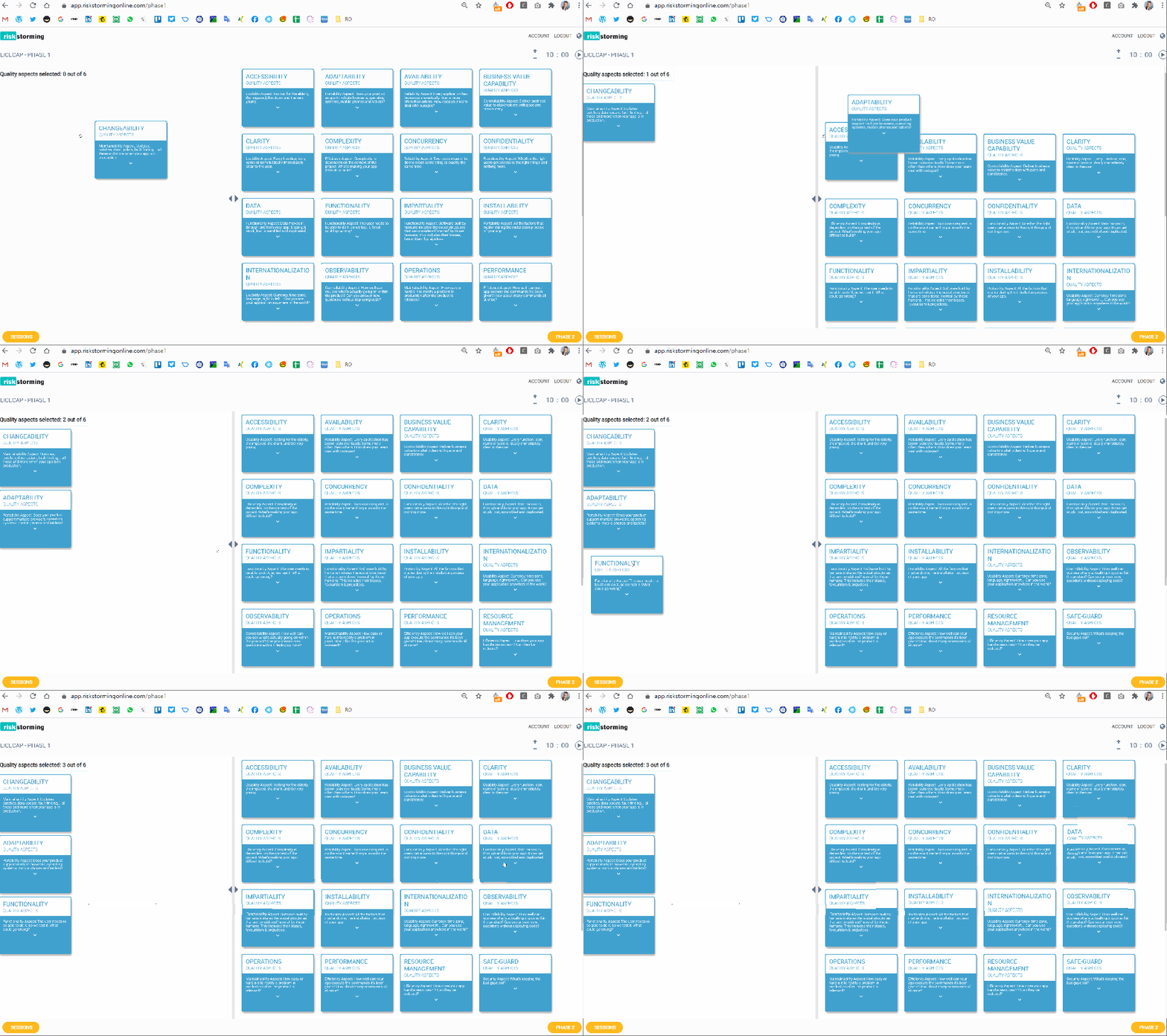
With RiskStormingOnline.com, we provide a simple tool to select and prioritise Quality Aspects. We offer 25 Quality Aspects that are designed to initiate discussion. Functionality is only 1 out of these 25 cards.
We introduce a limit of 6 cards to be chosen to encourage stakeholders to make these trade-offs.

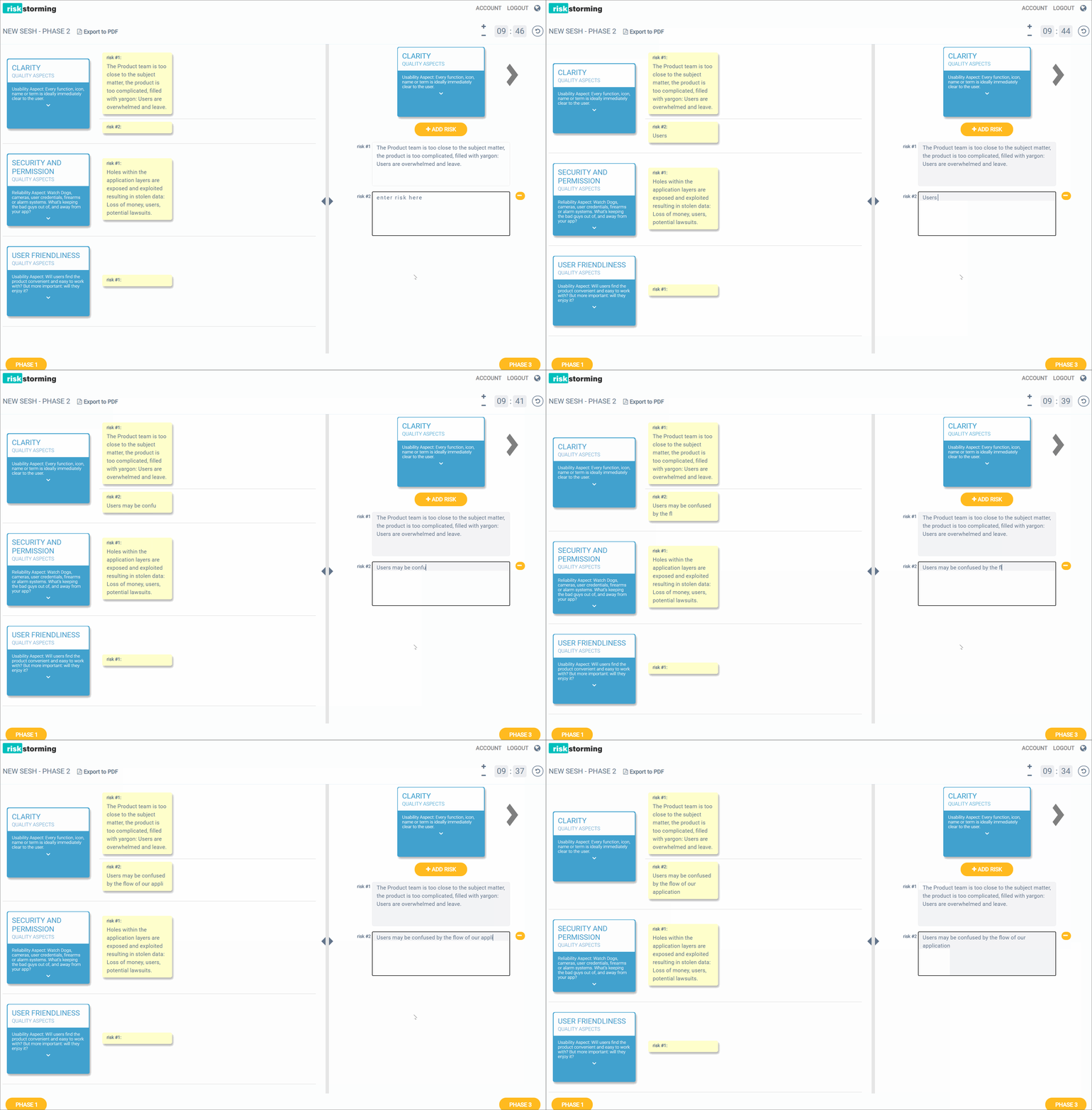
Phase 1 of RiskStormingOnline.com

Visualise Quality Aspects as Journeys

The important thing about this phase is the discussion, the exploring of different points of view, elaborating on their importance and making decisions on what really matters.

I like to think of these Quality Aspects as journeys. The easiest one is probably Functionality, since we’re usually quite familiar with this one. We often break this Quality Aspect down to a Minimum Viable Product. Maybe we have ‘a finalised product’ in mind. What we can usually agree with, is that we’re not at our destination yet. We still have steps to take. This next step is often the topmost user story of our backlog.

We need to keep in mind a similar way of thinking for the other Quality Aspects. What does the final destination of Security look like? What is the next step we can take?
Very often, we don’t really know what the next step is, what the destination is or sometimes even how to begin the journey.

At this point, you might think that this isn’t helpful?
On the contrary. Knowing what you don’t know is often more important that what you do know. It gives you the opportunity to learn, adapt and evolve.

Knowledge is power, France is bacon

– Lard_Baron

What’s next?

You’ve just had a discussion on what is actually important to the success of your project and your product. People’s ideas were challenged and are hopefully more aligned. Questions were answered, misconceptions straightend. But…

There’s still more questions to ask!

Lucky you. You’re on a journey, you’re learning and you’ve found people who accompany you.
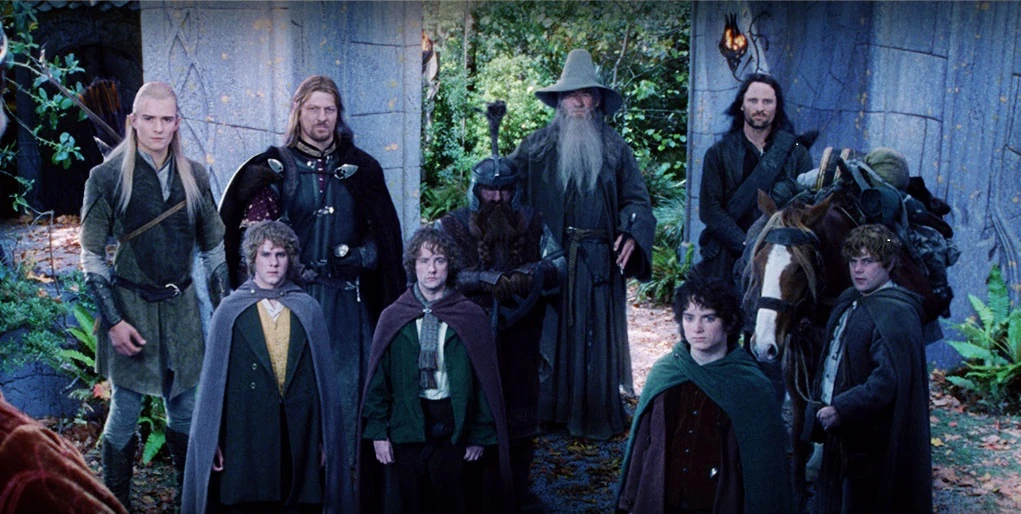
Adventurers of old applaud you! Yet they warn you:

Fellowship of the Ring (Group) | Middle-Earth Films Wiki | Fandom
Adventurers from Lord of The Rings applaud you

No journey is without Risks.
Our next step will explore possible risks from as many angles as we can.

A well-informed and prepared (wo)men is worth two.


Read all posts made in this category here: RiskStormingOnline Knowledge Center

Launching Your Own Digital Product

Beren Van Daele, Product Ownership

At the start of my Product Owning journey a mentor gave me his number One tip:

Treat the product as if the budget came out of your own pocket.

I thought I understood him back them. Turns out I was wrong.

22550410_1153441251456855_4267502031610269933_o

TestSpere used in RiskStorming

What does it take?

After months of hard work, we’re launching a new product in a couple of days.
It’s an online product that helps team collaborate on their understanding of quality, identify risks and how they can work together to achieve said quality and battle the risks, together.

Sure, we started coding some moths ago, but it actually started in 2017 when I launched a card deck called TestSphere with Ministry of Testing. Months after that, RiskStorming became a workshop which used the cards. Two years later after the workshop improved and improved over time AND gathered more ‘believers’ we decided to build it into an online tool.
It seemed logical to do so when the whole world suddenly went remote for obvious reasons.

Things working for us:

  • The workshop format was mature already
  • The userbase was modest but vocal and enthusiastic
  • The product adds immediate and clear value

To be invested:

  • 20.000 EUR and counting. (1 fulltime dev + several part-time freelancers)
  • Countless hours of my own time & headspace

Possible reasons of failure

  • Confirmation Bias bubble: People may be vocal, but this doesn’t translate to sales
  • User feedback wasn’t reflecting needs of the larger group of possible users

How do I feel about this?

A strange mixture of pride, fear, anxiety and excitement. It is my own budget, my idea-baby and my personal feeling of success/failure on the line.
When you have this much of your own skin in the game, your project fills you with both happiness and dread, depending on the day or even the hour. Sometimes I have stress-induced headaches spanning several days. Sometimes I feel like I can take on the world.

It’s a strange but exciting journey. Even in the worst case scenario, I may lose some material and selfconfidence, but I’ll have learned to be a more emphatic leader and human being.

If you’re in product ownership, management, leadership, I dare you to fund your own project. You may curse me for it afterwards, but you’ll have grown considerably.


The Product?

Demo

Early version of RiskStormingOnline

If you want to know more about what I think was worth the investment and effort, read on.

RiskStormingOnline is for you if:

  • You believe your team can’t define Quality as a group.
  • You suspect there are highly important risks that are being ignored
  • There is no clear strategy or plan to build in Quality from the start

We launch on the 3rd of September 2020.
Interested? Sign up here

My Dealings With a Pandemic

Beren Van Daele, Running Isle of IT

People who follow my journey somewhat may know that at the beginning of 2018 I decided to break with a great many things and journey onwards. Up until recently, the road (business-wise) has been mainly littered with proverbial candy. Now, in what seems to be a resurgence of the global pandemic, a first real threat to the business has been culminating and will likely continue to do so. This blogpost will give you insight in my thought process and feelings of the past couple of months and what we’ve been doing so far.

The months, even years, that happened before the lockdown now feel like they were preparations for today. The moneybuffer the business amased, the hires, the projects, all of it suddenly shifted from ‘business as usual’ to ‘how is this helping us to survive?’. Let me shed some lights on the cards we’re holding.

Some Dreadful Things

Just before the lockdown, I hired two new people. Joanna is a seasoned event organiser, Aline a junior front end developer. The third employee, Geert, has had a good contract at a customer in media for some time and continues to do so. So steady income from one, while three (including me) are currently costing. We can see a slow decline in our moneybuffer monthly.

You can imagine that events got cancelled overal and it’s extremely difficult to find projects for juniors in such a market. Finding a project for myself at a reasonable rate seems to be difficult too.

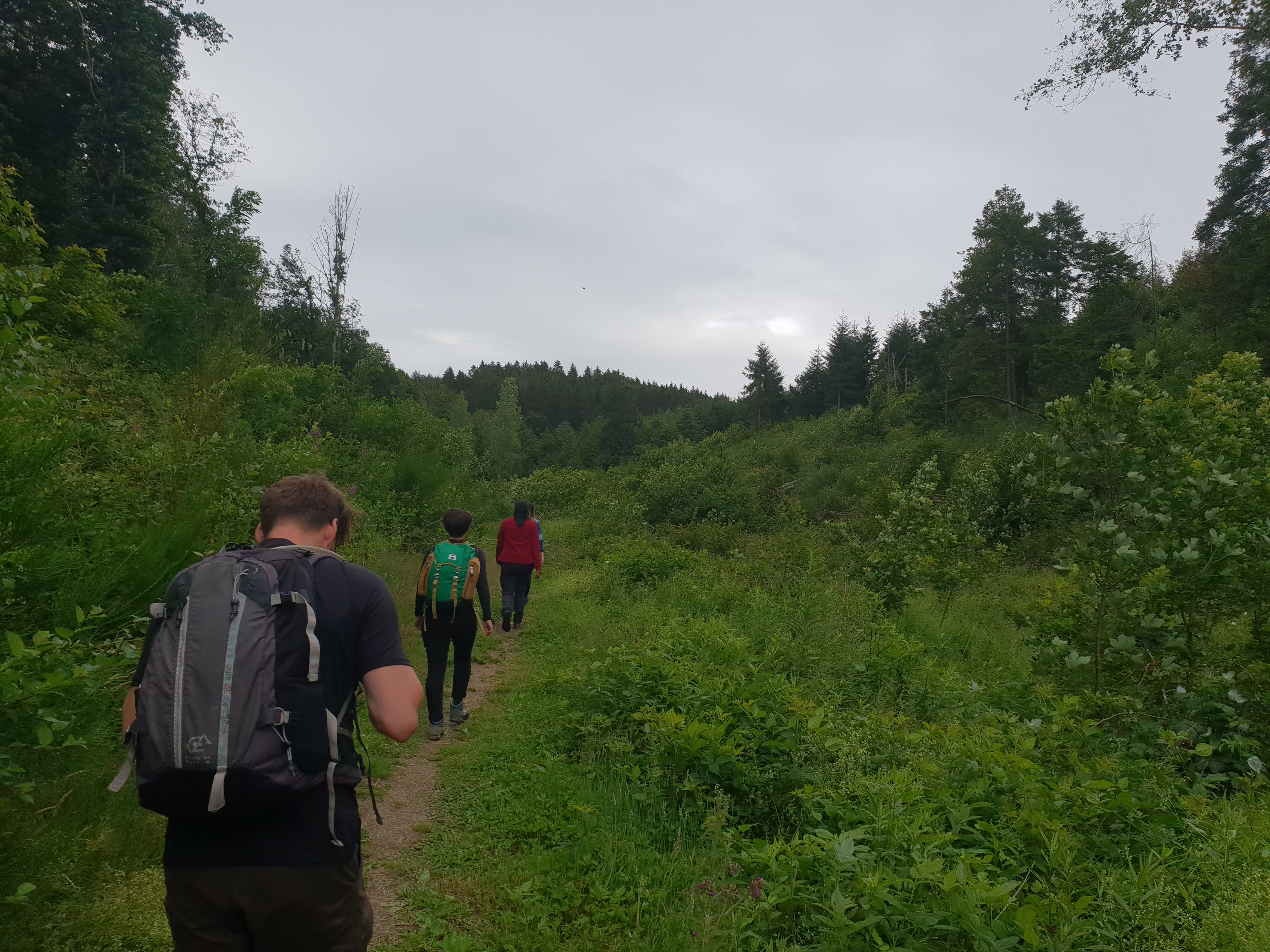
20200704_124115

Hiking the Ardennes

For four months, we’ve been trying to find projects for either me or Aline, the front end developer, with no avail. This has been frustrating and stressful to say the least. Please realise that this includes: Countless times of ‘not hearing back’, doing interviews with no feedback or answer, being disappointed on a daily basis. This is difficult for me, but also impacts the morale Aline, who may start feeling like a burden rather than an asset.

Another aspect we face is that ITMatters.pl events were planned, but uncertain. For some weeks we were hopeful to organise them in a safe way. However, now we decided to hold only one event online. These experiences are rollercoasters in a time that one wishes stability.

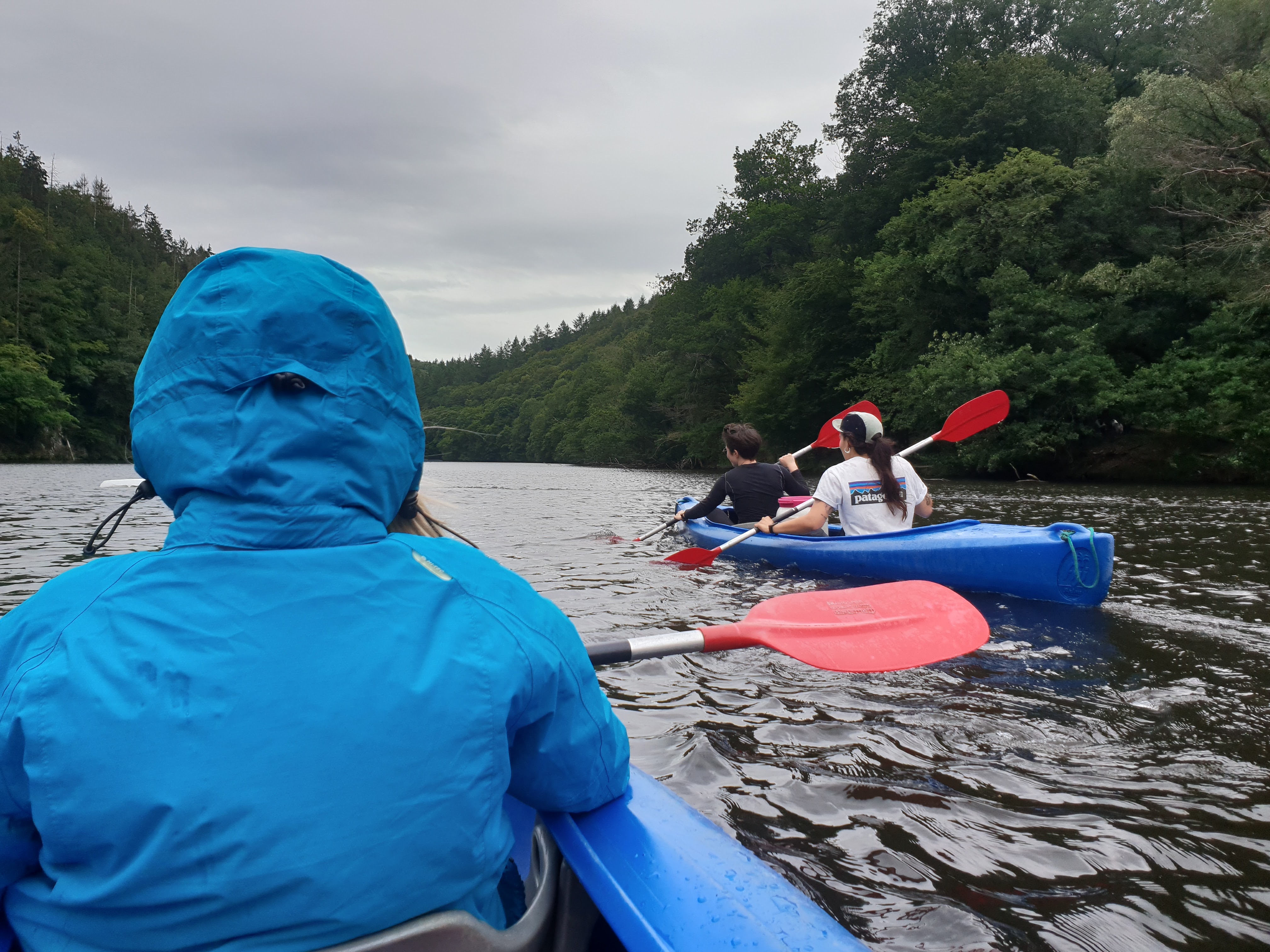
20200704_160145

Kayak with the team

Some Hopeful Things

Because we have a small organisation that values transparancy and communication I can truly feel everyone engaged to make the best out of this situation. They’re thinking, even to their own disadvantange, about ways to help the business forward. I can feel that they love being part of this. That they subscribe to this ideology. That they want this company to succeed.
This is probably the single proudest achievement for me.

We have a good buffer that will last us some time longer even though I can see that number declining slightly month after month.
I can see Geert taking his responsibility to continuously work and bring in the baseline which we need.
Joanna is using her strengths to enlist people to her cause. ITMatters.pl has had some major setbacks, yet she’s building a flame that is growing brighter day by day.

Aline and I? We’re building something I’m very hopeful for: RiskStormingOnline.com.
She’s shown incredible motivation and aptitude in digitalising this workshop which I feel can help so, so many software projects. We’ve been able to recruit the help of several more experienced people to help us get to something marketable quicker. Check out the beta version here: riskstorming.praxio.be

This Is Not a Cry For Help

This is a window into my head, do with that what you will. As an employer, you take the risk. You reap the profits when things go well and you carry the risks when they don’t. That’s the simple truth.

The complexity behind it, the feelings and many events contributing to your state of mind are much less obvious. There’s the great pressure of having people relying on the company for their income. It’s both a (self inflicted) blessing and burden.
Another challenge is the daily planning for an uncertain future and hoping you’re making the right choices. There’s a constant influx of trade-offs to be made.

Should I invest time to find Aline a project, or make sure she can focus on RiskStormingOnline.com?
Should I accept a less-paying job for myself, getting some extra money, but having less time for others, possibly burning myself out?
Should I put all my eggs in the RiskStorming-basket?
How much more time do we have in this ‘normal market’ until the pandemic hits again?
Do I ask people to go temporarily unemployed and save some money while leaving people in the cold?

These are a few of many considerations that I’ve had to deal with once, multiple times or even daily. All the while, checking in with people around me.
These same people, whom I respect and love, often second guess my decisions. They shake my convictions. They give me hope, but they don’t take it easy on me.

20200704_131206

A much needed weekend together in Belgium

In the future, I may regret some decisions I’ve taken these days. However, I’ve learned a great deal of what it means to run a business during ‘good times’ in preparation of ‘bad times’. I’ve learned to treat advice for what it is: Glorified experiences. Very little people have dealt with running a company like mine, with its values and ideology in a global pandemic situation.

Advice is a form of nostalgia, dispensing it is a way of fishing the past from the disposal, wiping it off, painting over the ugly parts and recycling it for more than it’s worth.
– Baz Luhrman, Everybody’s free

We’re doing well. We could use some more good news here and there, but all in all, our foundations are steady and we’re building towards the future.

IMG_20200717_183637

Daria & Joanna at their own Polish weekend